


New Interventions May Boost Cognitive Function in HIV Patients
#CognitiveBoost
New Interventions May Boost Cognitive Function in HIV Patients
#CognitiveBoost


Research Terms
Clinical Psychology Health Psychology Health Care Delivery
Keywords
Evidence-Based Practices Health Outcomes Hiv/Aids Implementation Science Medical Marijuana Older Adults Research Dissemination Substance misuse Substance Use
Industries
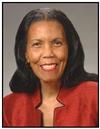
Dr. Nicole Ennis is an Associate Professor and Vice Chair in the Department of Behavioral Sciences and Social Medicine in the College of Medicine at Florida State University. She is the Director of the intervention Research Advancing Care Excellence (iRACE) Lab. She is Faculty at the Center for Translational Behavioral Sciences, and an Affiliate Faculty Member at the Institute for Successful Longevity. Dr. Ennis is also Affiliate Faculty at the University of Florida’s Southern HIV Alcohol Research Consortium (SHARC). Additionally, she co-founded the Complementary Care Practice-Based Research Network (CC-PBRN), an academic-industry partnership uniting researchers, physicians, patients, and stakeholders to address critical gaps in cannabis science. Currently, Dr. Ennis serves on the Consortium for Medical Marijuana Clinical Outcomes Research and the Board of Directors for CAN Community Health. Guided by a dissemination and implementation science framework, the goal of Dr. Ennis’ program of research is to improve patient care through evidence-based behavioral interventions. Her research aims to understand and intervene on factors that influence health outcomes among patients coping with chronic/life-limiting illnesses. As a leading implementation scientist, Dr. Ennis’ federally funded research centers on substance use, aging, and public health, with a particular emphasis on older adults living with chronic conditions. Her work includes implementing substance use interventions, such as SBIRT-PN, in HIV primary care settings for adults aged 50 and older, as well as leading some of the nation’s most comprehensive studies on medical marijuana use in later life. Through high fidelity simulation and open road driving studies, she examines how medical marijuana and opioid use affect psychomotor functioning, driving performance, and adverse events. Her research provides urgently needed evidence to guide clinicians, policymakers, and patients as medical marijuana and opioid use continue to rise among aging adults.
Research Society on Marijuana, Member; 2025 - present
International Cannabinoid Research Society, Member; 2025 - present
Consortium for Medical Marijuana Clinical Outcomes Research, Board of Directors; 2025 - present
CAN Community Health, Board of Directors; 2024 - present
American Psychological Association, Member; 1996 - present
Dr. Nicole Ennis is an Associate Professor and Vice Chair in the Department of Behavioral Sciences and Social Medicine in the College of Medicine at Florida State University. She is the Director of the intervention Research Advancing Care Excellence (iRACE) Lab. She is Faculty at the Center for Translational Behavioral Sciences, and an Affiliate Faculty Member at the Institute for Successful Longevity. Dr. Ennis is also Affiliate Faculty at the University of Florida’s Southern HIV Alcohol Research Consortium (SHARC). Additionally, she co-founded the Complementary Care Practice-Based Research Network (CC-PBRN), an academic-industry partnership uniting researchers, physicians, patients, and stakeholders to address critical gaps in cannabis science. Currently, Dr. Ennis serves on the Consortium for Medical Marijuana Clinical Outcomes Research and the Board of Directors for CAN Community Health. Guided by a dissemination and implementation science framework, the goal of Dr. Ennis’ program of research is to improve patient care through evidence-based behavioral interventions. Her research aims to understand and intervene on factors that influence health outcomes among patients coping with chronic/life-limiting illnesses. As a leading implementation scientist, Dr. Ennis’ federally funded research centers on substance use, aging, and public health, with a particular emphasis on older adults living with chronic conditions. Her work includes implementing substance use interventions, such as SBIRT-PN, in HIV primary care settings for adults aged 50 and older, as well as leading some of the nation’s most comprehensive studies on medical marijuana use in later life. Through high fidelity simulation and open road driving studies, she examines how medical marijuana and opioid use affect psychomotor functioning, driving performance, and adverse events. Her research provides urgently needed evidence to guide clinicians, policymakers, and patients as medical marijuana and opioid use continue to rise among aging adults.
Speaker Topics
Medical Marijuana Older Adults
Target Audiences
Fee Range