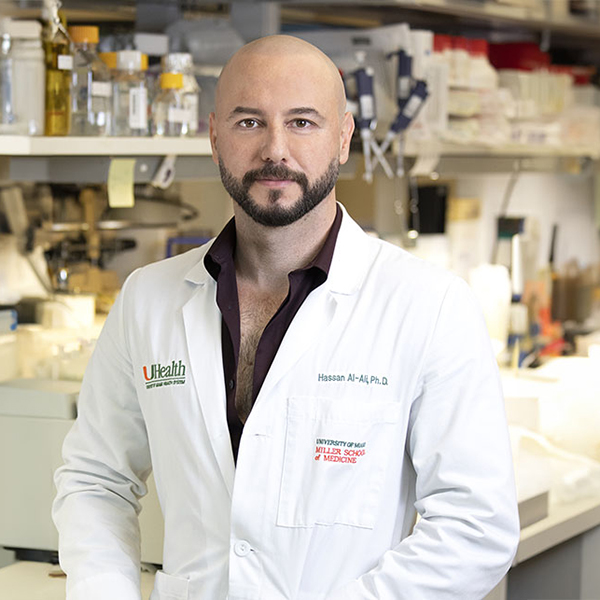
UM’s Hassan Al Ali was studying kinase inhibitor compounds and wanted to go beyond a “one compound, one target” approach. “For a lot of diseases and disorders, it’s not sufficient to engage a single target,” he said. “It’s like the internet. If you take out one server, it’s not enough to modulate the whole system.”
Ali and a friend wrote a machine-learning algorithm that deconvoluted the effects of each inhibitor, cross-referencing the kinases each compound hit with observed outcomes, such as axonal growth. Their integrative platform of phenotypic screening, biochemical profiling, and advanced machine learning (idTRAX) enabled them to identify not just single drug targets but networks of targets. Ali is now developing a therapeutic candidate for spinal cord injury based on this work. The platform is also being used by scientists seeking new therapies for cancer and kidney disease.
View Related Expert Profiles: Go to Source