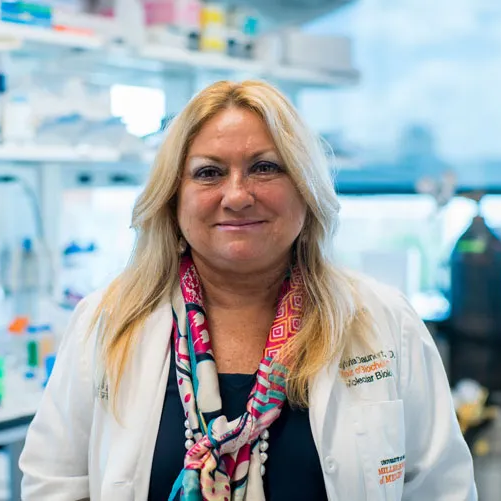
A UM team has developed a nanodrug platform for rapid, targeted therapeutic hypothermia after traumatic brain injury. Their work demonstrates that intranasal nanovanilloids can lower brain temperature by 2.0° C to 3.6° C for up to three hours in pre-clinical models. The particles activated the target receptor, TRPV1, which is needed to trigger cooling in the brain, without harming cell health.
Delivering the medicine through the nose let it reach the brain quickly and avoid being filtered out by the body’s usual barriers, so treatment should work faster and require a smaller dose compared to an IV. “This work exemplifies how nanotechnology and neuroscience principles can be applied together to create therapeutic solutions for critical medical problems,” says researcher Sylvia Daunert. The work sets the stage for innovative neuroprotection strategies that could be deployed outside hospital settings.
View Related Expert Profiles: Go to Source