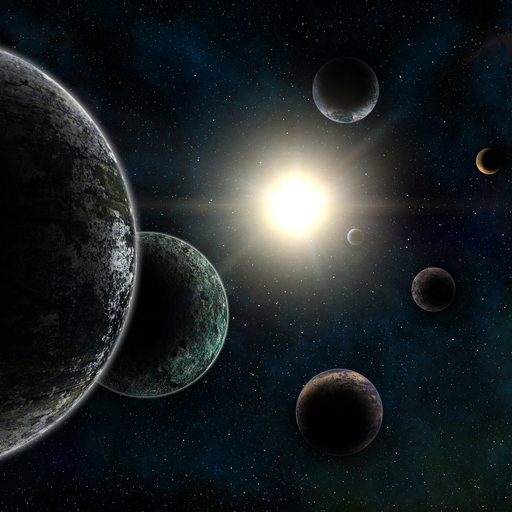
FIT’s Howard Chen investigated why telescopes have yet to find definitive signs of water in the TRAPPIST-1 planetary system, even though several of its planets fall within the star’s habitable zone. Some researchers think a lack of gas in the atmosphere is disrupting the light needed to pick up visuals. Others propose that water escaped the planets’ atmospheres throughout their evolution.
Chen’s team posited instead that there was no water to begin with because there was no gas to contain it, due to the high-velocity/high-impact collision events in the system. Instead of acquiring material for a gaseous atmosphere, the planets’ atmospheres were cleared out by the powerful collisions. They ran hundreds of collision simulations, which returned thousands of different possibilities for how TRAPPIST-1’s planets might have formed. “Whatever we did, we couldn’t get much water in these inner planets,” says Chen.
View Related Expert Profiles: Go to Source