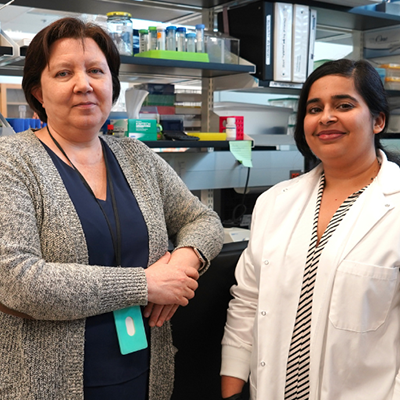
A team led by USF’s Elena Suvorova adapted a fluorescent imaging system used to study human cells to instead map the growth of Toxoplasma gondii. The widespread parasite causes toxoplasmosis, which can be serious for people with weakened immune systems, but can be treated if identified within the first two weeks.
“If you can’t catch toxoplasmosis during this time, the parasite turns chronic… it hides from the immune system and forms cysts in the brain,” says Suvorova. Fluorescent imaging allowed the team to observe the parasite in detail, revealing how it replicates and progresses through its cell cycle. “With that level of detail, we can better understand its biology and identify where it may be vulnerable for better interventions.”
View Related Expert Profiles: Go to Source