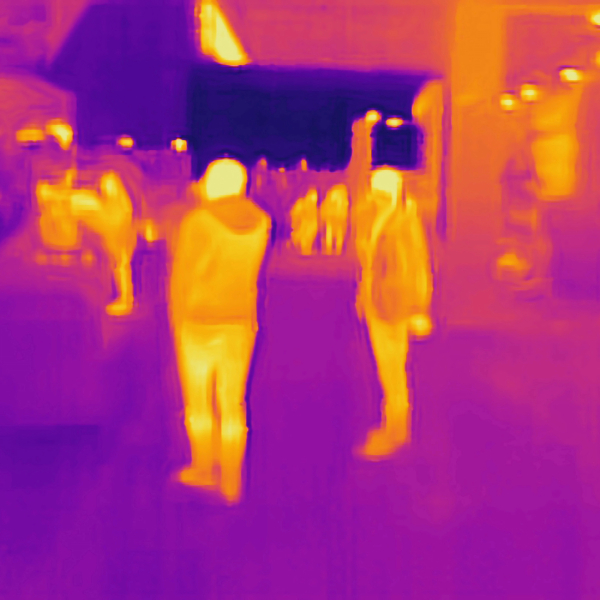
Many drones use thermal imaging to navigate using heat instead of light in conditions of low visibility. UF’s Sara Rampazzi and team have demonstrated vulnerabilities in this technology without need for hacks or external access and created new defensive signal processing techniques to counter these risks.
“Everything that we discovered is internal to the sensor, so the data are pretty much already manipulated when they are used by the drone or the car,” Rampazzi said. The study found three weaknesses in thermal imaging processes, triggered by heat sources in the environment. These thermal signatures can cause the system to perceive phantom objects or to miss obstacles that are actually there.
View Related Expert Profiles: Go to Source