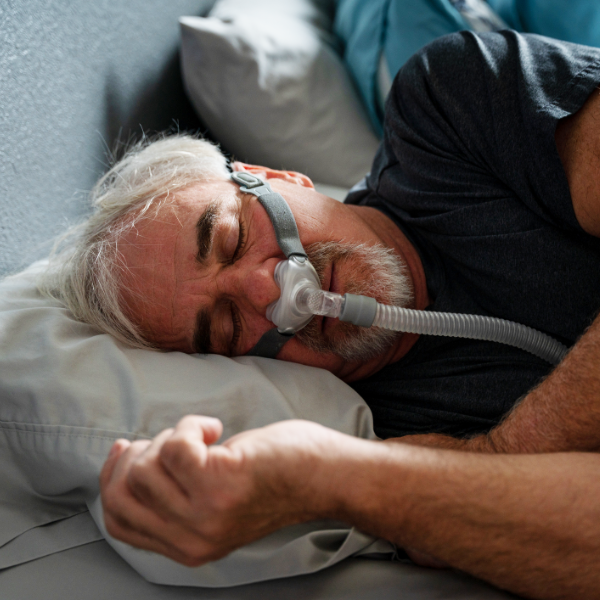
A UM study involving over 3000 participants looked at the brains of individuals with or without sleep apnea. “Repeated apnea episodes cause drops in oxygen levels in the brain,” said Alberto Ramos. “This triggers a panic response, raising blood pressure and heart rate. Over time, this accumulated stress damages blood vessels and the brain itself.”
The study showed reduced size of the hippocampus in patients with sleep apnea. “The hippocampus is key for consolidating memory. We also observed changes in small blood vessels, which increase the risk of dementia and Alzheimer’s over time,” said Ramos. According to Ramos, sleep apnea should be caught at ages 40-50 to prevent these changes.
View Related Expert Profiles: Go to Source