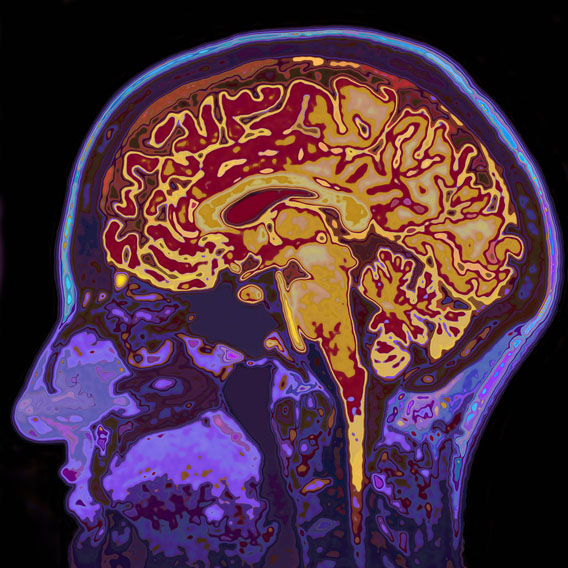
A UM team will compare fMRI brain scans of undergraduates with and without anxiety or depression as they receive grades on high-stakes chemistry exams. They will scan the students’ brains five times: once to get baseline measurements and four times before, during, and after they receive exam scores.
They hope to capture the neural dynamics of strong emotions elicited by real-world events. “So much of the human neuroscience work on emotion uses what you might call artificial or standardized stimuli,” says Aaron Heller. “This project will enable us to understand what is happening in the brain as these students await this really high-stakes, goal-relevant news, as they get it, and as they process it.”
View Related Expert Profiles: Go to Source