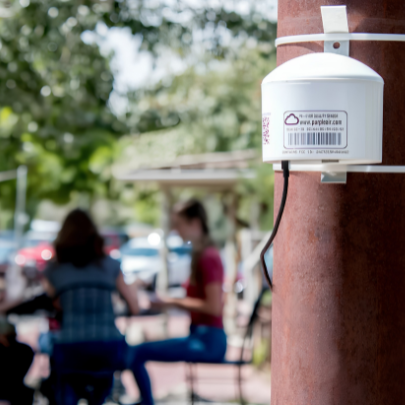
Traffic-related air pollution in Tampa has long been a problem, but traditional air monitoring systems are limited in coverage and often don’t capture what people are actually experiencing. So, a USF team studied the efficacy of alternative sensor-based air quality monitoring systems: small, low-cost devices that measure pollutants in real-time and are accessible to anyone with a smart phone.
The team evaluated the performance of two such monitors in measuring fine particles and nitrogen dioxide over a two-year period. They also developed a classification system to simplify technical information and provide guidance for community members and policy makers. “The people in these neighborhoods were not very trusting that the (government) data was protecting their health. So, having low-cost monitors locally had potential ? it got the communities involved,’’ says Amy Stuart.
View Related Expert Profiles: Go to Source