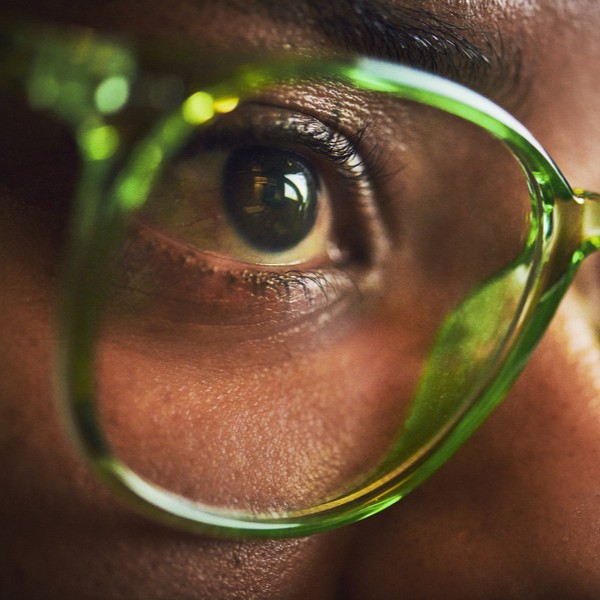
A USF study used a new approach to track the way people read. “This study is unique because it allows participants to read naturally while simultaneously measuring eye movements and brain activity,” says Elizabeth Schotter. “Combining eye tracking with EEG required us to develop new tools and software.”
The study showed that readers often partially register skipped words in advance using peripheral vision, processing only whether the word is expected or irregular. The brain then decides to skip the word without actually reading it if it lines up with predictions. The new technology and understanding lays the basis for further reading study. “Understanding these mechanisms can inform educational approaches and interventions,” says Schotter.
View Related Expert Profiles: Go to Source