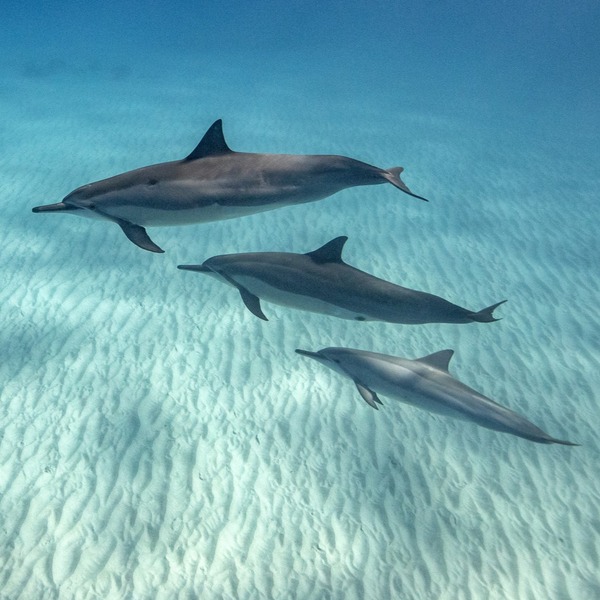
FAU researchers deployed an autonomous wave glider to listen in on ocean sounds. The glider allowed researchers to record the underwater soundscape over two months, capturing nearly 62 hours of sound, with more than 1600 instances of dolphins recorded.
“What we’re seeing is a fascinating separation between the acoustic behaviors dolphins use for social life and those they use for finding food,” says Greg O’Corry-Crowe. Whistles associated with social behavior were concentrated in nearshore waters. Echolocation was used primarily around fish that produce sound, which often quieted when dolphins were near, suggesting that both the dolphins and their prey may be listening for each other.
View Related Expert Profiles: Go to Source