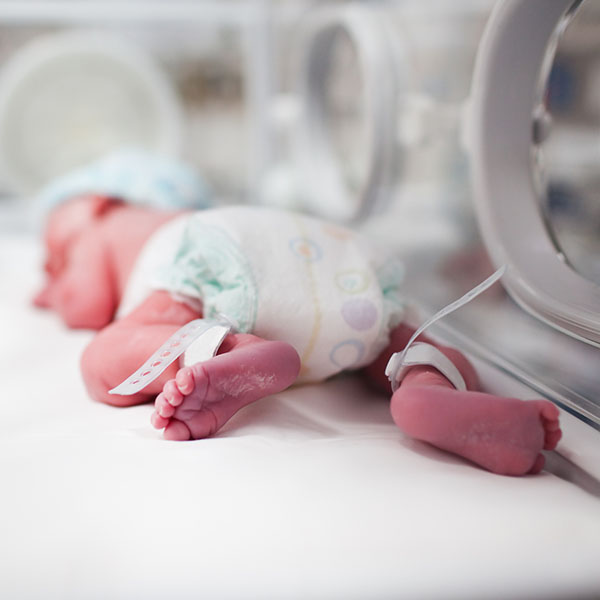
A USF team used statewide, population-based data to estimate sibling recurrence risk for non-chromosomal birth defects (e.g., spina bifida, cleft palate, limb defects), which often result from environmental factors, chemicals, or drugs. “Birth defects are one of the leading causes of infant mortality and can have lifelong impacts on children and families,’’ says researcher Jason Salemi.
The study population included 1,372,831 sibling pairs, of which 29,611 (2.2 percent) had an older sibling with a birth defect. Among sibling pairs in which the older sibling was affected, roughly 5 percent of younger siblings also had a birth defect. Younger siblings had more than twice the odds of having any birth defect if their older sibling was affected, compared to those with an unaffected older sibling.
View Related Expert Profiles: Go to Source