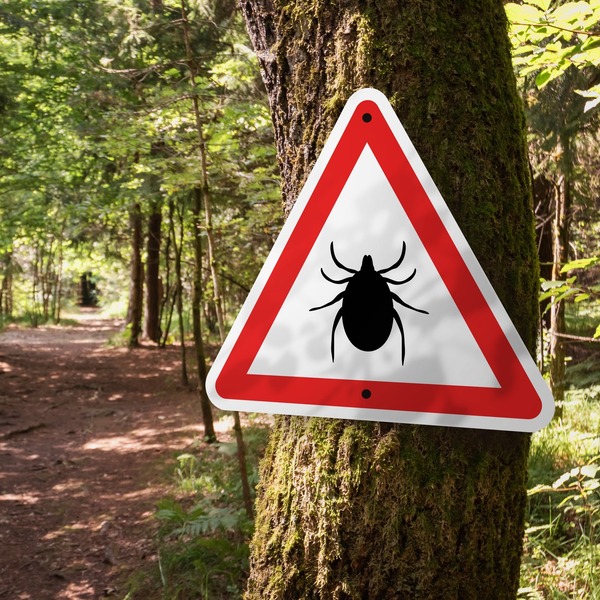
A UCF team is studying new ways to potentially fight Lyme disease, without relying on antibiotics. The team has genetically screened the responsible bacteria, Borrelia burgdorferi, and identified three genes seemingly responsible for the spread of the disease from a tick bite to the rest of the body.
“One of these three genes we found is important to the ability of the bacteria to consume riboflavin,” Mollie Jewett says. “We know that riboflavin is a precursor for other cellular activities that are important to the metabolism of the bacteria. Essentially, we want to target this gene and see if we can starve the bacteria.”
View Related Expert Profiles: Go to Source