
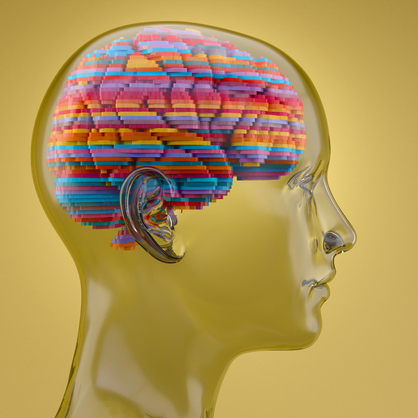
UF’s Aprinda Queen is studying why transcranial direct current stimulation has cognitive benefits for some patients but not others. The therapy, which boosts electrical signals in the brain, has shown some promise for improving cognitive health in older adults, but results vary across patients. To understand why, the team studied the pathways current could take from the scalp to the brain.
“We found … that the pathways are not all the same because of the anatomical organization of human heads,” says Queen. By analyzing MRI scans, the team identified 11 tissue types that vary across human head anatomy and may affect tDCS results, such as the amount of fat under the skin and the amount of fluid surrounding the brain. They hope to develop a tool that can analyze a patient’s MRI scan and help clinicians tailor a more effective tDCS treatment plan based on the patient’s head anatomy.
View Related Expert Profiles: Go to Source
